Managing daily medications and supplements can often feel like a juggling act. From ensuring timely doses to maintaining the integrity of each pill, the right organization tool is paramount. While plastic pill organizers dominate the market, a growing awareness of health and environmental concerns is steering many towards a more natural and elegant solution: the Glass Pill Organizer. As a technician with over a decade of experience in personal health and wellness products, particularly pill organizers, I understand the nuances of various materials. Join us as we delve into the world of glass pill organizers, exploring their unique benefits, potential drawbacks, and how they can be the optimal choice for your daily health regimen.
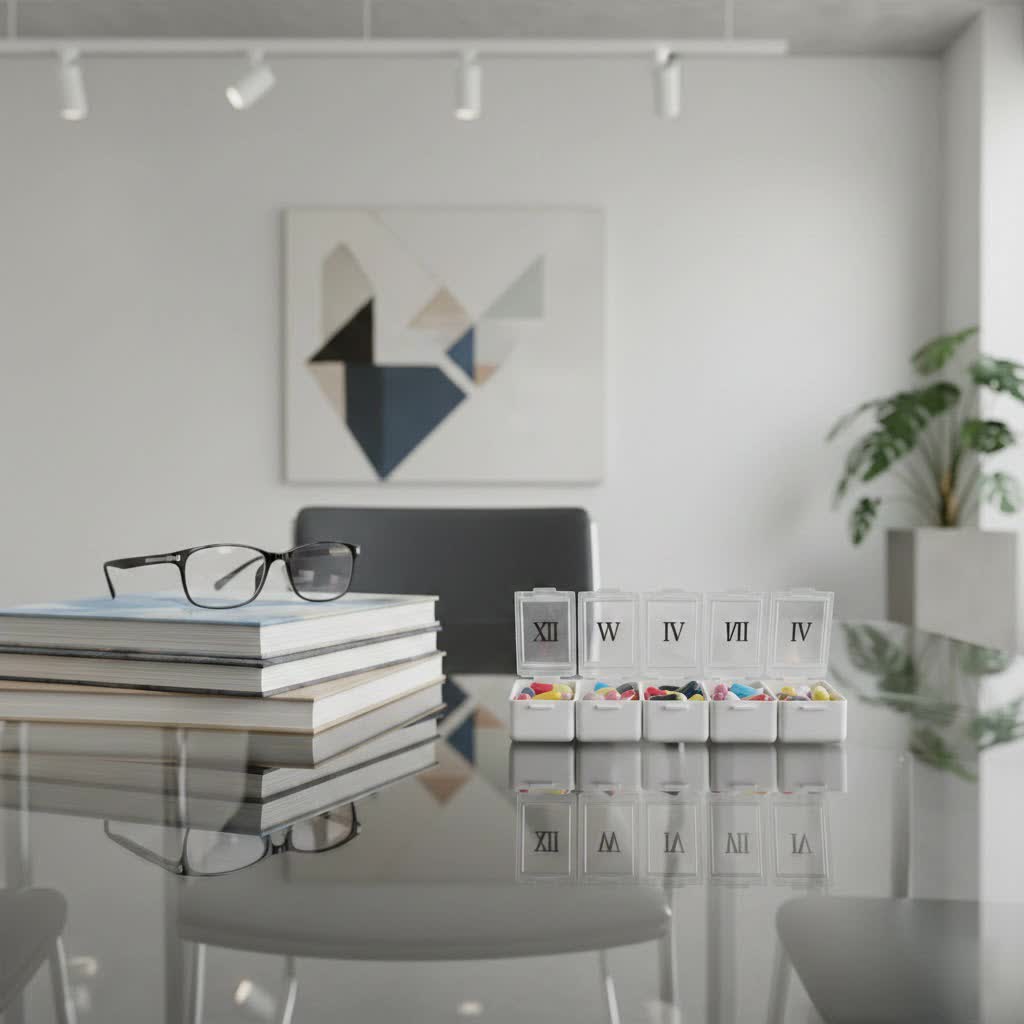
Why You Need a Pill Organizer?
In today’s fast-paced world, consistent medication adherence is crucial for health outcomes. A pill organizer serves as an indispensable tool, simplifying complex medication schedules and offering peace of mind. Its primary purpose is to help you remember to take your medication correctly and on time, thereby preventing missed doses or accidental double dosing. Beyond adherence, pill organizers save valuable time by eliminating the need to open multiple bottles daily. They provide a visual reminder of what has been taken and what remains, making it easier to track your regimen, especially for those managing multiple prescriptions or supplements. This systematic approach to medication management not only enhances treatment effectiveness but also fosters greater independence in self-care.
Popular Types of Pill Organizers
Pill organizers come in a wide array of designs, each catering to different needs and lifestyles. Understanding the common types helps in appreciating the unique position of glass options.
- Daily Organizers: Often small, portable cases designed for a single day’s medication, sometimes divided into morning, noon, evening, and bedtime compartments.
- Weekly Organizers: These are the most common, featuring seven compartments, one for each day of the week. Many offer AM/PM or multi-time slot divisions per day.
- Monthly Organizers: Larger units with 28 or 31 compartments, ideal for long-term medication management, reducing the frequency of refilling.
- Electronic Pill Organizers: Equipped with alarms and reminders, these smart devices provide auditory or visual cues to ensure doses are not missed.
- Travel Pill Organizers: Compact and secure designs, often with sturdy latches, built to withstand the rigors of travel and keep pills protected.
While most of these types are predominantly made from plastic, glass pill organizers offer a distinct alternative, particularly for daily or short-term organization. Due to the inherent properties of glass, multi-compartment weekly or monthly glass organizers are less common, often manifesting as sets of individual glass vials or jars for each day or dose.
Comparison Table of Pill Organizers
When choosing a pill organizer, the material is a critical consideration. Here’s a comparison focusing on Glass, Plastic, and Metal:
| Feature | Glass Pill Organizer | Plastic Pill Organizer | Metal Pill Organizer |
|---|---|---|---|
| Chemical Inertness | Excellent: Non-reactive, no leaching, preserves purity | Fair/Good: Can leach chemicals (e.g., BPA) especially when heated or worn | Good: Generally non-reactive, but some metals can interact with certain compounds. |
| Material Safety | Non-toxic, BPA-free, phthalate-free, made from natural materials | May contain BPA or other endocrine-disrupting chemicals if not labeled “BPA-free” | Food-grade stainless steel or aluminum are generally safe. |
| Durability | Breakable, especially if dropped, but robust glass (e.g., borosilicate) is strong | Highly durable, shatterproof, flexible options available | Very durable, impact-resistant, often heavy-duty. |
| Weight | Heavier than plastic, less ideal for light travel | Lightweight, excellent for portability | Heavier than plastic, can add significant weight. |
| Transparency | Excellent visual clarity, easy to see contents | Often clear, but can become cloudy over time or with scratches. | Opaque, requires opening to view contents. |
| Environmental Impact | 100% recyclable, reusable, sustainable | Contributes to plastic waste, not easily recyclable if contaminated | Recyclable, durable for long-term use. |
| Maintenance/Cleaning | Easy to clean, does not absorb odors or stains | Can absorb odors/stains over time, harder to clean thoroughly | Easy to clean, generally resistant to odors/stains. |
| Cost | Often higher initial cost. | Generally most affordable. | Can be moderate to high. |
| UV Protection | Amber/frosted glass offers excellent UV protection | Varies; some plastics offer UV protection, but generally more permeable | Opaque materials inherently block UV light. |
Factors to Consider When Buying a Glass Pill Organizer (Buying Guide)
Choosing the perfect glass pill organizer involves balancing its unique advantages with practical considerations.
Material
|
Our Picks for the Best Pill Organizer in 2026
As an Amazon Associate I earn from qualifying purchases.
|
||
| Num | Product | Action |
|---|---|---|
| 1 | EZY DOSE Push Button (7-Day) Pill Case, Medicine Planner, Daily Vitamin Organizer, 2 Times a Day AM/PM, X-Large Compartments, Arthritis Friendly, Easy to use, Clear Lids, Purple and Blue, BPA Free |

|
| 2 | Daviky Pill Organizer 3 Times a Day, Daily Pill Box 7 Day, Weekly Cases Medicine Organizers to Hold Vitamins and Medication |
|
| 3 | Portable Round Metal Pill Case, Aluminum Alloy Pill Holder, Waterproof Medicine Organizer for Travel, Outdoor, Vitamins, Fish Oils, Blue |
|
| 4 | Reusable Pill Bags and Pill Pouches Medicine Bag with Secure Zipper Seal, Clear Label Space, Moisture Resistant Pill Packets for Travel, Portable Storage for Vitamins, Supplements, and Daily Doses |
|
| 5 | AUVON Weekly Pill Organizer Arthritis Friendly, BPA Free Travel 7 Day Pill Box Case with Spring Open Design and Large Compartment to Hold Vitamins, Cod Liver Oil, Supplements and Medication |
|
| 6 | Amazon Basic Care Weekly (7-Day) Pill Organizer, Vitamin Planner, And Medicine Box, Medium Compartments, Black |
|
| 7 | EZY DOSE Push Button (7-Day) Pill Case, Medicine Planner, Vitamin Organizer, 2 Times a Day AM/PM Container, X-Large Compartments, Arthritis Friendly, Effortless Open, Clear Lids, Blue/White, BPA Free |
|
| 8 | Barhon Pill Organizer Large, Weekly Medicine Pill Organizers, 7 Day Pills Box Case Travel for Big Vitamin Supplements Fish Oil, Black |
|
| 9 | Amazon Basic Care (7-Day) AM/PM Pill Organizer, Vitamin Case, And Medicine Box, Large Compartments, 2 Times a Day, Blue and Clear Lids |
|
| 10 | Sukuos AM PM Weekly Pill Organizer 2 Times A Day, Large Daily Pill Box Case 7 Day with Easy Push Button Design, Detachable Medicine Holder for Vitamin/Fish Oil/Supplements (Rainbow) |
|
Opt for high-quality glass, such as borosilicate glass, known for its thermal shock resistance and increased durability compared to regular glass. Ensure any lids or seals are also made from safe, non-toxic materials like food-grade silicone or high-quality, BPA-free plastic if glass lids aren’t an option. The primary benefit of glass is its non-porous and non-reactive nature, meaning it won’t leach chemicals into your medications or absorb odors and stains, thus preserving the purity and efficacy of your pills.
Size and Portability
Glass is inherently heavier than plastic. Consider if the organizer will primarily stay at home or if you need to carry it daily. For travel, individual, small glass vials with secure caps might be more practical than a bulky multi-day glass unit. Assess the physical dimensions to ensure it fits your designated space, whether on a nightstand or in a travel bag.
Number of Compartments
Unlike plastic organizers with numerous molded compartments, multi-day glass pill organizers are often designed as a collection of separate glass jars or vials, sometimes housed in a larger case. Determine if you need daily, weekly, or multiple doses per day compartments. If a single glass organizer cannot accommodate all your needs, a modular system of smaller glass containers might be a suitable alternative.
Durability
While glass is breakable, choosing thicker glass or those made from stronger varieties like borosilicate can reduce the risk of breakage. Look for designs that offer protective casings or sleeves if portability is a concern. The durability extends to its resistance against scratches and degradation from repeated washing, ensuring longevity.
Features
- Easy Access: Lids should be easy to open and close, especially for individuals with dexterity issues, while remaining secure enough to prevent spills.
- Sealing: Good seals are crucial to protect medications from moisture and air, which can compromise their stability and safeness.
- Transparency: One of glass’s key advantages is its clarity, allowing you to easily see if you’ve taken your dose. If UV protection is needed for light-sensitive medications, amber or frosted glass options are available.
- Ease of Cleaning: Glass is exceptionally easy to clean and sanitize, resisting residue and bacterial buildup.
Price
Glass pill organizers tend to have a higher upfront cost than their plastic counterparts. However, considering their longevity, environmental benefits, and superior material safety, they can be a cost-effective and healthier investment in the long run.
Top Picks: Glass and Non-Plastic Pill Organizer Alternatives
While finding a traditional multi-compartment weekly pill organizer made entirely of glass can be challenging due to material limitations, the market offers excellent alternatives and individual glass options for those prioritizing chemical-free storage and sustainability.
-
Individual Glass Vials/Jars with Lids:
- Description: These sets typically consist of multiple small, airtight glass jars or vials, often with screw-on metal or bamboo lids, or cork stoppers. They allow you to portion out daily or individual doses.
- Pros: Exceptional chemical inertness, excellent for preserving medication purity and preventing leaching. Ideal for light-sensitive pills if amber glass is chosen. Highly customizable for varying daily needs. Easy to clean.
- Cons: Can be bulky if many are needed. Less integrated than a single-unit organizer, requiring more handling. Risk of breakage.
- Best For: Those seeking absolute purity, customization, and are primarily organizing pills for home use or short, contained travel.
-
High-Quality Metal Organizers (as a robust non-plastic alternative):
- Description: For those who prioritize durability and a multi-compartment design without plastic, premium metal (e.g., stainless steel or anodized aluminum) organizers are an excellent choice. Some brands like Ikigai offer beautifully made metal organizers.
- Pros: Extremely durable and resistant to impact. Non-reactive with medications. Opaque nature provides excellent light protection. Offers a sleek, minimalist aesthetic.
- Cons: Not transparent, so you cannot see contents without opening. Can be heavier than plastic.
- Best For: Individuals needing a highly durable, long-lasting multi-compartment organizer who want to avoid plastic.
-
Modular Glass Systems (e.g., Small Glass Containers within a Protective Case):
- Description: Some innovative designs feature individual small glass containers that fit snugly into a larger, protective outer case (often made of durable metal or high-quality wood).
- Pros: Combines the chemical safety of glass with enhanced portability and protection. Allows for organized daily or multi-dose partitioning.
- Cons: Can be more expensive and still heavier than plastic options. Availability might be limited to specialized brands.
- Best For: Users seeking the best of both worlds – glass contact for pills and a protected, organized system for daily use or travel.
Choosing the “best” often depends on individual priorities: strict chemical inertness, robust durability, or ease of transport. Glass, in its various forms, offers a compelling solution for a healthier, more sustainable approach to medication management.
Tips for Using and Maintaining Your Glass Pill Organizer
To maximize the benefits and longevity of your glass pill organizer, proper usage and maintenance are key.
- Gentle Handling: Always handle your glass organizer with care to prevent drops and breakage. When traveling, consider a protective padded case or wrap individual glass vials.
- Strategic Storage: Store your organizer in a stable, secure location where it won’t easily be knocked over or fall. Keep it away from edges of counters or tables.
- Arranging Medications: When filling your organizer, always double-check each pill against your prescription to ensure accuracy. Utilize labels for clarity, especially if using multiple individual glass vials for different times or days.
- Regular Cleaning: Glass is easy to clean, which is a significant advantage. Wash your glass organizer regularly with warm, soapy water and rinse thoroughly. Allow it to air dry completely before refilling to prevent moisture from affecting your medications. Its non-porous surface resists odors and stains, making it simple to maintain hygiene.
- Protect from Extreme Temperatures: While borosilicate glass is heat-resistant, sudden, extreme temperature changes can still stress the material. Avoid moving a very cold glass organizer directly into very hot water, and vice-versa.
- Monitor Medication Stability: Be aware that some medications are sensitive to light or humidity. While amber glass offers UV protection, ensure the seals are tight to protect against moisture. Consult your pharmacist if you have concerns about specific medications.
- Child Safety: Glass organizers are typically not childproof. Always store them out of reach of children and pets.
“Opting for a glass pill organizer aligns with a growing preference for natural materials in daily living, reducing exposure to potential chemicals while offering a sustainable and aesthetically pleasing solution for medication management.” – Dr. Eleanor Vance, Environmental Health Specialist
Conclusion
The choice of a pill organizer, while seemingly small, can significantly impact your health and daily routine. Glass pill organizers stand out as a superior option for individuals prioritizing chemical-free storage, medication purity, and environmental responsibility. While they may require a bit more care due to their delicate nature and might be less common in multi-compartment formats compared to plastic, their benefits in terms of non-reactivity, ease of cleaning, and sustainability are undeniable. By understanding the unique attributes of glass and selecting the right design, you can embrace a more conscious approach to managing your daily medications and supplements. Consider the long-term benefits to your health and the planet—isn’t it time to make the clear choice for a glass pill organizer?
Frequently Asked Questions
Why should I choose a glass pill organizer over a plastic one?
Glass pill organizers are a healthier choice because glass is non-porous and non-reactive, meaning it won’t leach chemicals like BPA or phthalates into your medications, preserving their purity and efficacy. They also do not absorb odors or stains and are more environmentally friendly as they are 100% recyclable.
Are glass pill organizers durable enough for daily use or travel?
While glass is inherently more fragile than plastic, many glass pill organizers are made from robust borosilicate glass, which is more resistant to thermal shock and breakage. For travel, individual glass vials or modular systems with protective outer cases offer increased durability and safety compared to a single large glass unit.
How do I clean a glass pill organizer?
Cleaning a glass pill organizer is straightforward. Simply wash it with warm, soapy water, rinse thoroughly, and allow it to air dry completely before refilling. Glass’s non-porous surface makes it easy to sanitize and prevents it from absorbing medication residues or odors.
Can glass pill organizers protect light-sensitive medications?
Yes, glass pill organizers can offer excellent protection for light-sensitive medications. Opt for amber or frosted glass options, as these materials effectively block UV light, preventing the degradation of your pills and maintaining their stability.
Are multi-compartment glass pill organizers readily available?
Multi-compartment weekly or monthly glass pill organizers are less common than plastic or metal versions due to the weight and fragility of glass when molded into complex designs. Instead, you’ll more often find sets of individual glass vials or jars that can be arranged to create a multi-day or multi-dose system.
