In a world where managing daily medication is a necessity for millions, ensuring these vital drugs are stored safely and accessed correctly is paramount. The modern home often balances the needs of children, pets, vulnerable adults, and even casual visitors, all while trying to maintain a consistent medication schedule. This is where a lockable pill organizer steps in, transforming a potentially chaotic task into a streamlined, secure, and stress-free routine. Far more than just a container, these innovative organizers offer a crucial layer of protection and peace of mind, allowing you to confidently manage your health or that of a loved one.
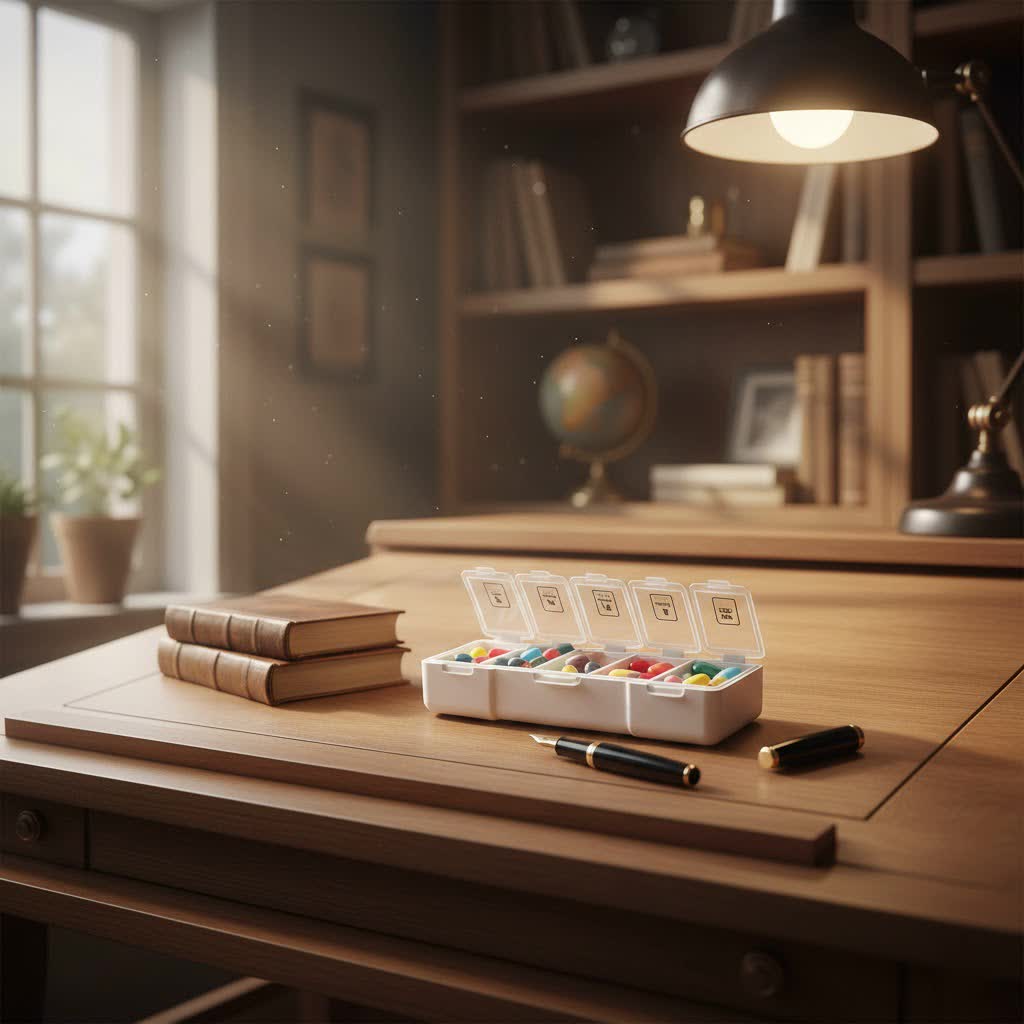
Why Do You Need a Lockable Pill Organizer?
The necessity for a lockable pill organizer extends beyond simple organization; it’s fundamentally about safety, adherence, and preventing serious risks. Unsecured medications, whether prescription or over-the-counter, pose significant dangers within any household.
Firstly, they are a vital safeguard against accidental ingestion and poisoning, especially concerning curious children and pets who might mistake pills for candy or toys. Tragically, emergency rooms annually treat thousands of children for medication-related poisonings, often from drugs found unsecured at home. A robust locking mechanism ensures these substances remain inaccessible, protecting the most vulnerable members of your family.
Secondly, lockable organizers are an effective deterrent against misuse, abuse, and theft of prescription drugs. Research indicates that a significant percentage of individuals who misuse prescription pills, such as opioids or antidepressants, obtain them from friends or relatives, often from the home. For teenagers, visitors, or even individuals struggling with addiction, an unlocked medicine cabinet can present a dangerous temptation. Secure storage actively helps prevent these drugs from falling into the wrong hands, safeguarding your community.
Finally, for individuals managing complex medication regimens, particularly seniors with conditions like dementia, a lockable pill organizer can drastically improve medication adherence. Memory impairment or confusion can lead to missed doses, double-dosing, or taking the wrong medication, all of which can have severe health consequences. Automated or key-locked dispensers can ensure that only the correct dose is accessible at the designated time, reducing the burden on caregivers and fostering greater independence for the user. It provides reassurance to family members that medication protocols are being followed, enhancing overall treatment effectiveness and reducing health risks.
Types of Lockable Pill Organizers
The market offers a diverse range of lockable pill organizers, each designed to meet specific needs for security, organization, and convenience. Understanding the different types helps in choosing the most appropriate solution.
Daily/Weekly/Monthly Organizers: These are the most common type, featuring multiple compartments pre-labeled for days of the week or times of day (e.g., morning, noon, evening, bedtime). A locking mechanism, typically a key or a combination lock, secures the entire unit or individual daily compartments. They are excellent for individuals who sort their medications in advance and need to prevent unauthorized access to a week’s or month’s supply. Some models allow for individual daily boxes to be removed for portability.
Electronic/Automatic Dispensers: Representing a more advanced solution, these devices are designed for complex medication schedules and individuals with cognitive impairments. They often include programmable alarms (audible, visual, or even voice prompts) that signal when it’s time for a dose. A key or PIN-based locking system ensures that medication is only dispensed at the scheduled time, preventing early access or over-dosing. Many also feature tamper alerts or caregiver notifications via apps, offering an enhanced level of monitoring and peace of mind.
Travel-Friendly Lockable Cases: Compact and durable, these organizers are designed for individuals on the go. They prioritize secure transport, featuring sturdy latches or double-locking systems to prevent accidental spills and unauthorized access while traveling. While typically smaller in capacity, they are essential for maintaining medication security away from home, often accommodating a few days’ or a week’s worth of pills.
General Medication Lock Boxes: These are typically larger, secure containers designed to store multiple medication bottles, over-the-counter drugs, and other sensitive items. They often feature robust combination locks or key locks and can be portable or even wall-mounted for fixed, high-capacity storage. These boxes are ideal for family use, shared living spaces, or for securing controlled substances, offering a broad solution for household medication management rather than daily dispensing.
Comparing Lockable Pill Organizers
Choosing the right lockable pill organizer involves weighing various factors against your specific needs. Here’s a comparison to help you navigate the options:
| Feature/Type | Daily/Weekly/Monthly Organizers | Electronic/Automatic Dispensers | Travel-Friendly Lockable Cases | General Medication Lock Boxes |
|---|---|---|---|---|
| Primary Use Case | Daily adherence, preventing casual access | Complex regimens, cognitive impairment, high security | On-the-go security, short trips | Family storage, multiple bottles, high security |
| Lock Type | Key, simple combination | Key, PIN, sometimes biometric | Sturdy latch, key, simple combination | Combination, key, sometimes electronic |
| Capacity | 7-28 days of doses (1-4 times/day) | 28-90 days of doses, multiple daily doses | Few days to a week of doses | Multiple bottles, large volume |
| Special Features | Clear compartments, compact | Alarms, voice prompts, remote monitoring, tamper alerts | Compact size, double-locking, durable | Wall-mountable options, tamper-resistant materials |
| Target User | General users, those needing basic security | Seniors, dementia patients, caregivers | Frequent travelers, active individuals | Families, shared living spaces, controlled substances |
Key Factors to Consider When Buying a Lockable Pill Organizer
Selecting the ideal lockable pill organizer requires careful consideration of several crucial features to ensure it aligns perfectly with your needs for security, convenience, and functionality.
Locking Mechanism: This is arguably the most critical feature.
- Key Locks offer traditional security, but keys can be misplaced. Ensure spare keys are available and stored safely.
- Combination Locks eliminate the need for keys, ideal if multiple caregivers need access or if key loss is a concern. Choose a model with a customizable, easy-to-remember combination.
- PIN Passwords (often found on electronic models) provide quick, secure access for authorized users.
- Biometric Locks (fingerprint) offer the highest level of personal security and instant access without codes or keys, perfect for high-risk medications.
Material and Durability: Opt for organizers made from robust, high-quality materials. BPA-free plastic is essential for direct contact with medications. Look for shatterproof and tamper-resistant construction that can withstand daily use and potential attempts at forced entry. Durable latches and hinges are vital for longevity.
Size and Capacity: Consider the number and size of pills you or the user takes daily, as well as the frequency. Some organizers offer large compartments suitable for multiple medications or larger vitamins, while others are more compact. Determine if you need a daily, weekly, or monthly capacity, and if individual daily compartments can be removed for portability.
Ease of Use: The organizer should be easy for the intended user to open and close, especially for seniors or individuals with dexterity issues like arthritis. Push-button mechanisms or easy-open lids can be beneficial. Clear labeling (e.g., AM/PM, days of the week) is also important for straightforward medication management.
Security Features: Beyond the primary lock, some advanced models offer additional security. These can include tamper alarms that alert if the device is being tampered with, or remote monitoring capabilities for caregivers, which can track medication adherence and provide alerts for missed doses or low supplies.
Portability: If you need to take medications on the go, a compact, lightweight, and securely locking travel case is essential. Ensure it fits easily into a bag without accidental opening.
Visibility: Some users prefer clear compartments to visually confirm pills are present, while others might prefer opaque containers for discretion or to protect light-sensitive medications. This is a personal preference that can impact adherence and convenience.
Price: Lockable pill organizers range widely in price, from basic manual models to sophisticated electronic dispensers. Set a budget, but prioritize features that directly address your core security and adherence needs.
Top Picks: Highly-Rated Lockable Pill Organizers
While specific product models can change, understanding the features of top-rated lockable pill organizers can guide your choice toward reliable and effective solutions. The best options on the market integrate robust security with user-friendly designs, catering to a range of needs from simple daily security to advanced automated dispensing.
For general daily security and organization, weekly pill organizers with a secure locking mechanism are highly favored. Many come with strong, easy-to-use key or combination locks that prevent accidental spills and unauthorized access, making them suitable for everyday home use. These often feature large, clearly labeled compartments for multiple doses throughout the day, providing a visible reminder of what has been taken.
When travel is a factor, compact models with double-locking systems receive high praise. These are designed to be petite yet incredibly secure, ensuring that medications remain safe and contained even when jostled in a bag. Many feature removable dividers for flexible labeling and easy cleaning, making them a practical choice for short trips or longer journeys.
For those requiring more advanced medication management, especially for seniors or individuals with cognitive challenges, electronic automatic dispensers are often recommended. Devices like the Hero Automatic Medication Dispenser and e-pill Voice Pro stand out. They typically feature:
- PIN password protection or key locks to secure medications until the scheduled dispense time.
- Audible and visual alarms, sometimes with voice prompts, to remind users when to take their pills.
- Automated dispensing, releasing only the correct dose at the right time.
- Some high-end models, like the MedaCube, even include touchscreens, remote monitoring capabilities, and robust lock-down features that alert caregivers to missed doses or tampering, providing invaluable peace of mind for distant families.
Lastly, for comprehensive home security of all medications, including prescription bottles and over-the-counter drugs, child-resistant and senior-friendly medication lock boxes like the Pill Pod 7 Day Secure are highly effective. These larger, durable boxes often feature combination locks and are designed to prevent accidental poisoning and prescription drug theft, fitting well into overall household safety strategies.
Tips for Using and Maintaining Your Lockable Pill Organizer
Maximizing the effectiveness and longevity of your lockable pill organizer involves more than just purchasing the right one; it requires thoughtful use and consistent maintenance.
1. Scientific Arrangement and Loading:
Before loading, carefully review all medication labels and your doctor’s instructions. Arrange pills logically—by day, time of day (AM/PM), or type—into the designated compartments. For electronic dispensers, follow the programming instructions precisely to set alarms and dispensing times. This meticulous preparation minimizes confusion and ensures accurate dosing.
2. Consistent Cleaning and Hygiene:
Regular cleaning is crucial to prevent residue buildup and maintain hygiene. Most plastic pill organizers can be hand-washed with mild soap and warm water. Ensure all compartments are thoroughly dried before refilling to prevent moisture from affecting medications. For electronic devices, follow the manufacturer’s specific cleaning guidelines, usually involving wiping surfaces with a damp cloth and avoiding direct water exposure.
3. Secure Key and Code Management:
If your organizer uses a key, store it in a secure, discreet location known only to trusted individuals, out of reach of children. Avoid attaching it directly to the organizer. For combination or PIN locks, choose a memorable code and share it only with authorized caregivers. Change the combination periodically if security is a high concern. Never write the code directly on the organizer.
4. Regular Medication Review:
Periodically review the medications stored in your organizer against your current prescriptions. Medications or dosages can change, and outdated pills should be safely disposed of. This practice ensures your organizer always reflects your accurate and current regimen.
5. Optimal Placement and Accessibility:
While lockable, the organizer should still be kept out of sight and out of reach of children and pets. A high shelf in a cool, dry place is ideal. However, for the intended user, it should be placed where it is easily accessible at the scheduled times, preventing missed doses due to inconvenience. For caregivers, the placement should balance security with ease of access during administration.
“Utilizing a lockable pill organizer empowers individuals to take control of their medication schedule while providing essential protection against potential hazards. It’s a foundational step towards safer and more compliant medication management.”
Conclusion
In an increasingly complex world where health management intersects with daily life, the lockable pill organizer emerges as an indispensable tool for ensuring safety, promoting adherence, and granting immense peace of mind. From safeguarding curious children and vulnerable seniors from accidental ingestion to preventing the misuse of prescription drugs, its protective benefits are profound. By carefully considering the various types—from simple weekly organizers to sophisticated electronic dispensers—and evaluating key factors like locking mechanisms, durability, and capacity, you can confidently choose a solution tailored to your unique needs. Embracing a lockable pill organizer is not merely about managing medication; it’s about investing in a safer, more organized, and ultimately healthier future for yourself and your loved ones. What steps will you take today to secure your medication regimen and enhance your peace of mind?
Frequently Asked Questions
Are lockable pill organizers truly childproof?
|
Our Picks for the Best Pill Organizer in 2026
As an Amazon Associate I earn from qualifying purchases.
|
||
| Num | Product | Action |
|---|---|---|
| 1 | EZY DOSE Push Button (7-Day) Pill Case, Medicine Planner, Daily Vitamin Organizer, 2 Times a Day AM/PM, X-Large Compartments, Arthritis Friendly, Easy to use, Clear Lids, Purple and Blue, BPA Free |

|
| 2 | Amazon Basic Care (7-Day) AM/PM Pill Organizer, Vitamin Case, And Medicine Box, Large Compartments, 2 Times a Day, Blue and Clear Lids |
|
| 3 | Portable Round Metal Pill Case, Aluminum Alloy Pill Holder, Waterproof Medicine Organizer for Travel, Outdoor, Vitamins, Fish Oils, Blue |
|
| 4 | Reusable Pill Bags and Pill Pouches Medicine Bag with Secure Zipper Seal, Clear Label Space, Moisture Resistant Pill Packets for Travel, Portable Storage for Vitamins, Supplements, and Daily Doses |
|
| 5 | EZY DOSE Push Button (7-Day) Pill Case, Medicine Planner, Vitamin Organizer, 2 Times a Day AM/PM Container, X-Large Compartments, Arthritis Friendly, Effortless Open, Clear Lids, Blue/White, BPA Free |
|
| 6 | Daviky Pill Organizer 3 Times a Day, Daily Pill Box 7 Day, Weekly Cases Medicine Organizers to Hold Vitamins and Medication |
|
| 7 | Amazon Basic Care Weekly (7-Day) Pill Organizer, Vitamin Planner, And Medicine Box, Medium Compartments, Black |
|
| 8 | AUVON Weekly Pill Organizer Arthritis Friendly, BPA Free Travel 7 Day Pill Box Case with Spring Open Design and Large Compartment to Hold Vitamins, Cod Liver Oil, Supplements and Medication |
|
| 9 | Sukuos AM PM Weekly Pill Organizer 2 Times A Day, Large Daily Pill Box Case 7 Day with Easy Push Button Design, Detachable Medicine Holder for Vitamin/Fish Oil/Supplements (Rainbow) |
|
| 10 | Barhon Pill Organizer Large, Weekly Medicine Pill Organizers, 7 Day Pills Box Case Travel for Big Vitamin Supplements Fish Oil, Black |
|
While many lockable pill organizers are designed to be child-resistant with secure locking mechanisms, no product is 100% childproof. They provide a significant barrier against access but should always be kept out of reach and sight of children as an additional safety measure.
How do lockable pill organizers help with medication adherence?
Lockable pill organizers, especially electronic models with alarms, help by providing timely reminders for doses and ensuring that only the correct medication amount is available at the scheduled time. This prevents early access, double-dosing, and helps individuals maintain a consistent medication schedule.
What’s the difference between a lockable pill organizer and a general medication lock box?
A lockable pill organizer typically has pre-divided compartments for daily or weekly doses of pills. A general medication lock box is usually a larger, secure container designed to store multiple bottles of prescription drugs, over-the-counter medications, and other medical supplies, rather than individual doses.
Can I travel with a lockable pill organizer?
Yes, many lockable pill organizers are specifically designed for travel, featuring compact sizes, durable construction, and secure locking systems to prevent spills and unauthorized access while on the go. Always check airline regulations for carrying medications.
What are the different types of locks on pill organizers?
Common lock types include traditional key locks, combination locks (numeric codes), PIN password locks (often on electronic devices), and in some high-security models, biometric fingerprint recognition. Each offers varying levels of convenience and security.
